About Burnt lime
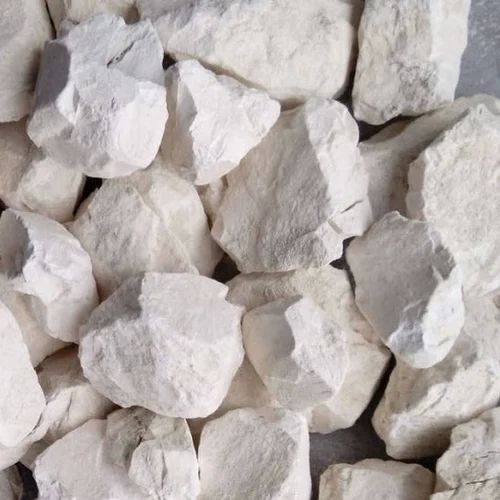
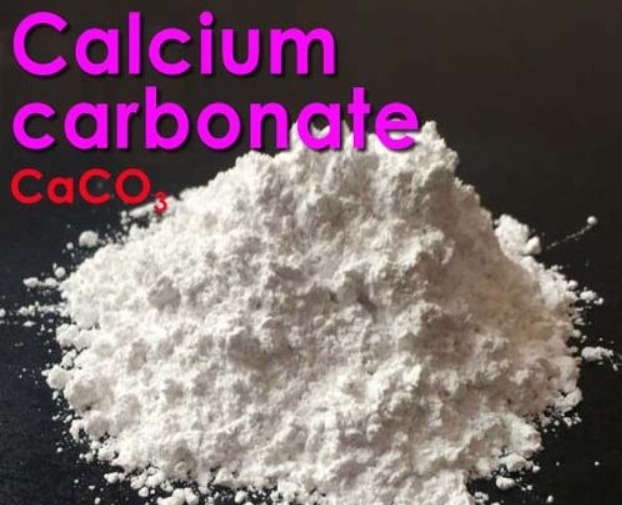
Burnt lime also known as quicklime or calcium oxide CaO is produced by heating limestone calcium carbonate CaCO in a kiln to drive off carbon dioxide CO The content of burnt lime primarily consists of
1 Calcium Oxide CaO This is the main component and it can constitute about 9095 or more of the burnt limes weight The exact percentage can vary depending on the purity of the limestone used and the efficiency of the burning process
2 Impurities Depending on the source of the limestone and the processing method burnt lime might contain trace amounts of other compounds such as
Calcium Hydroxide CaOH Sometimes present if the burnt lime absorbs moisture from the air
Magnesium Oxide MgO If the limestone contains magnesium carbonate MgCO this will also be present in the burnt lime
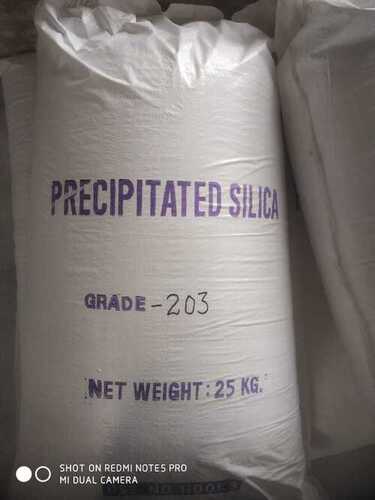
Silica SiO Alumina AlO and Iron Oxide FeO These are common impurities found in varying amounts depending on the geological source of the limestone
The purity and composition of burnt lime are critical in industrial applications such as in steelmaking water treatment and construction
Superior Reactivity and Industrial UseBurnt lime rapidly reacts with water, releasing substantial heat and forming calcium hydroxide. Its high reactivity and purity make it essential across numerous industries-such as steel manufacturing, flue gas treatment, water purification, and sugar refining-where precise chemical control and efficiency are needed. The flexibility in size and form enhances its adaptability in various processes.
Safety and Storage GuidelinesAs a corrosive substance, burnt lime must be handled with care. Store in tightly closed containers in a dry, well-ventilated area to maintain its 12-month shelf life. Avoid contact with skin, eyes, and mucous membranes. Use proper protective equipment during handling and keep away from moisture to prevent accidental reactions.
Packaging and CustomizationPackaged in durable HDPE or jumbo bags, burnt lime is available in different granule sizes to meet specific industrial requirements. Manufacturers and suppliers in India offer customization to suit diverse applications, ensuring consistent supply and quality suitable for large-scale operations or specialty uses.
FAQ's of Burnt lime:
Q: How should burnt lime be safely stored to maintain its efficacy?
A: Burnt lime should be kept in tightly closed containers, stored in a dry and well-ventilated area. This prevents moisture absorption and maintains its reactivity and quality within the 12-month shelf life.
Q: What is the process of burnt lime's reaction with water?
A: When burnt lime comes in contact with water, it reacts exothermically, generating heat and forming calcium hydroxide (slaked lime). This transformation is used in various industrial and water treatment applications.
Q: Where is burnt lime typically used in industry?
A: Burnt lime is used in steel manufacturing, metallurgy, chemical production, water and sewage treatment, pulp and paper making, sugar refining, and flue gas cleaning, among other industrial processes.
Q: What precautions should be taken during the handling of burnt lime?
A: As a corrosive substance, burnt lime can cause burns upon contact with moist skin or mucous membranes. It is essential to use personal protective equipment, such as gloves and goggles, and avoid inhaling dust or fumes during handling.
Q: When does burnt lime reach the end of its usable shelf life?
A: If stored correctly under dry, well-ventilated conditions in sealed containers, burnt lime maintains its properties for up to 12 months from the date of manufacture.
Q: What are the main benefits of using high-purity burnt lime in industrial processes?
A: High-purity burnt lime (90-96% CaO) ensures efficient chemical reactions, improved product yield, and greater control in processes like water treatment, steel production, and flue gas cleaning, leading to cost savings and regulatory compliance.






 Send Inquiry
 Get Latest Price

